
bartas.space Sheet 1 of 1

Julius Bartaševičius

I am an aerospace engineer who takes research aircraft from drawing board to flight line. Flight testing, UAV operations and experimental aerodynamics, from wind tunnel and instrumentation work to running full flight-test campaigns.

Julius Bartaševičius
Qualification
Dr.-Ing., TU Munich · 2026
Discipline
Flight testing · UAV operations · Experimental aerodynamics
Base
Vilnius, Lithuania
Contact
julius@bartas.space
The T-FLEX demonstrator aircraft in flight
Plate 1 T-FLEX demonstrator in flight. The 65 kg, 7 m-wingspan aircraft whose test campaigns I led. Photo: DLR.
01

About

It’s pronounced Bar-ta-SHAA-vi-chus

In May 2026, at the Technical University of Munich, I defended my doctoral dissertation on drag estimation and in-flight measurement for medium-sized fixed-wing UAVs. That work capped seven years of designing, instrumenting and flying experimental aircraft.

At TU Munich I was Flight Test Manager for the FLEXOP and FLIPASED projects, leading the test campaigns of a 65 kg, 7 m-wingspan jet-powered demonstrator. It was the first unmanned subscale aircraft to demonstrate active flutter suppression in real-world conditions.

I also reached the top 400 of the European Space Agency's astronaut selection.

I work by a few simple principles: radical transparency, openness about mistakes, thoughtful disagreement and systems thinking.

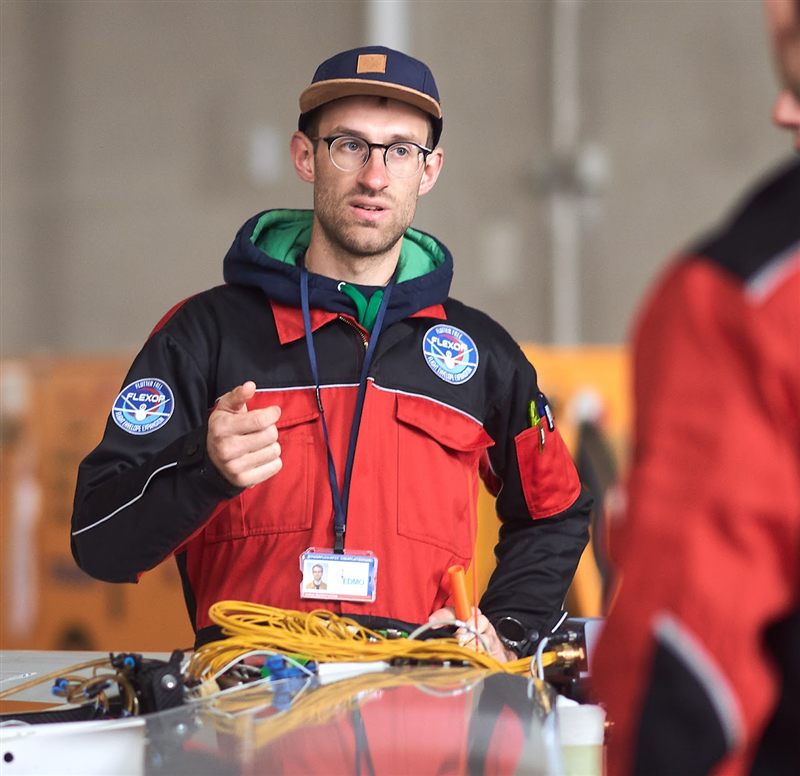
Julius Bartaševičius during a FLEXOP flight test campaign
Plate 2 On the flight line during the FLEXOP campaign.
02

Experience

  1. 2025 – 2026

    Planning Engineer — Defence Staff, Lithuanian Armed Forces

    Vilnius, Lithuania

    Responsible for the planning of autonomous aerial systems within the Lithuanian Armed Forces: tracking technology trends, overseeing the implementation of UAV technologies, defining operational requirements and ensuring interoperability across the military branches. Awarded the Land Forces Medal for Distinguished Service.

  2. 2017 – 2024

    Researcher & Flight Test Manager — Institute of Aircraft Design, TU Munich

    Munich, Germany

    Doctoral research on in-flight drag measurement of fixed-wing UAVs (Dr.-Ing. defended May 2026). Flight Test Manager for the FLEXOP and FLIPASED projects. Research exchange at Embry-Riddle Aeronautical University in 2023.

  3. 2016 – 2017

    Engineer — LAK Sailplanes

    Lithuania

    Sailplane development and certification flight test supervision for the miniLAK.

  4. 2011 – 2016

    MEng Aeronautical Engineering — University of Glasgow

    Glasgow, United Kingdom

    Exchange years at UC Irvine and TU Munich.

03

Projects

4 entries
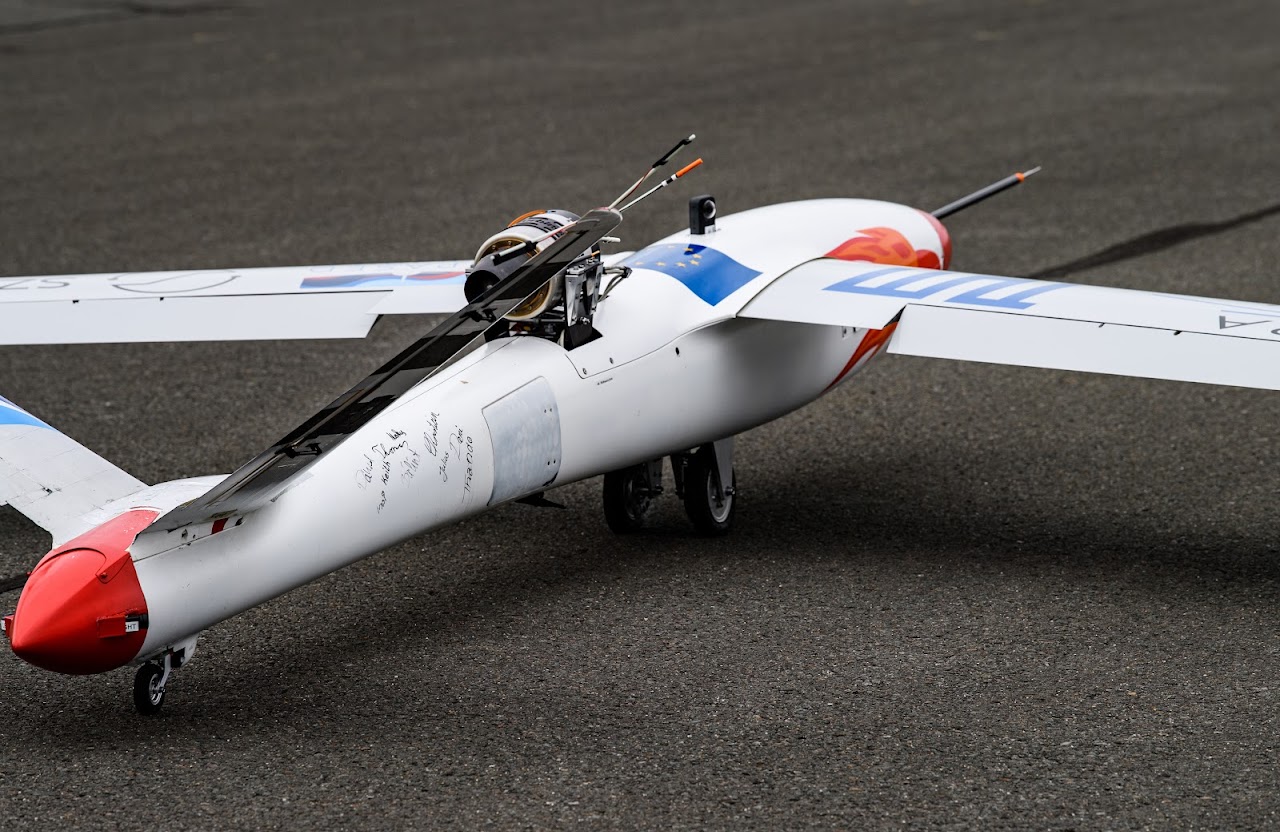
T-FLEX fuselage with pylon-mounted miniature jet engine
Plate 3 Pylon-mounted miniature jet engine on the T-FLEX fuselage.

In-flight drag measurement of UAVs

Programme
Doctoral research

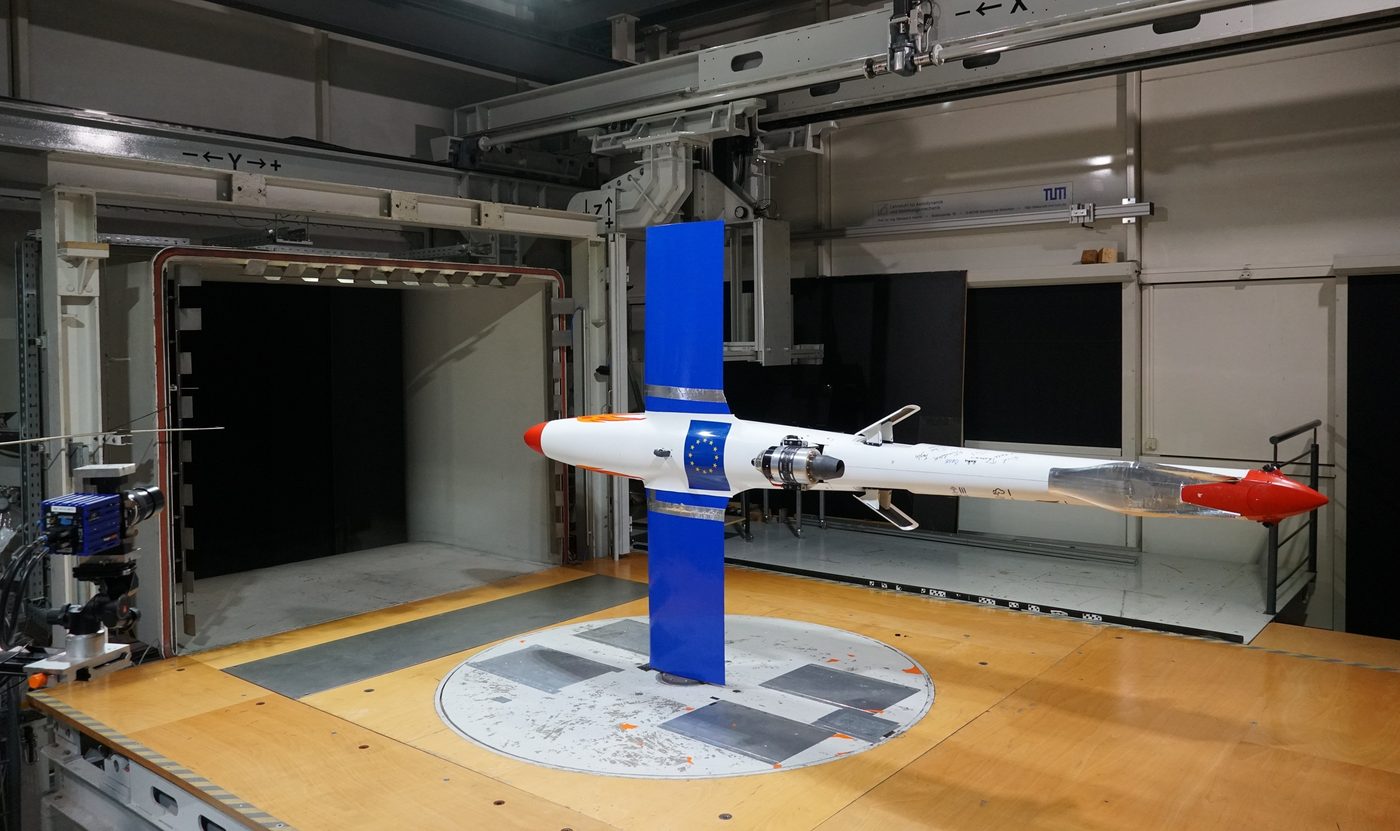
Which sensors, algorithms and flight manoeuvres does it take to accurately measure the drag of a drone in flight? My dissertation answers this for medium-sized fixed-wing UAVs: a complete flight test data workflow, a purpose-built thrust measurement system for a pylon-mounted jet engine, system identification of drag components and wind tunnel validation.

Case study

Approach

I built an end-to-end flight-test data workflow (sensor calibration, filtering and correction) feeding system identification of the aircraft's individual drag components. To close the thrust–drag bookkeeping in flight, I designed a dedicated thrust measurement system for the pylon-mounted miniature jet engine, then cross-checked the flight results against wind-tunnel measurements.

Results

A repeatable method to extract the drag polar of a medium-sized fixed-wing UAV directly from flight data, validated against the wind tunnel, with the in-flight thrust system providing the reference needed to separate thrust from aerodynamic drag.
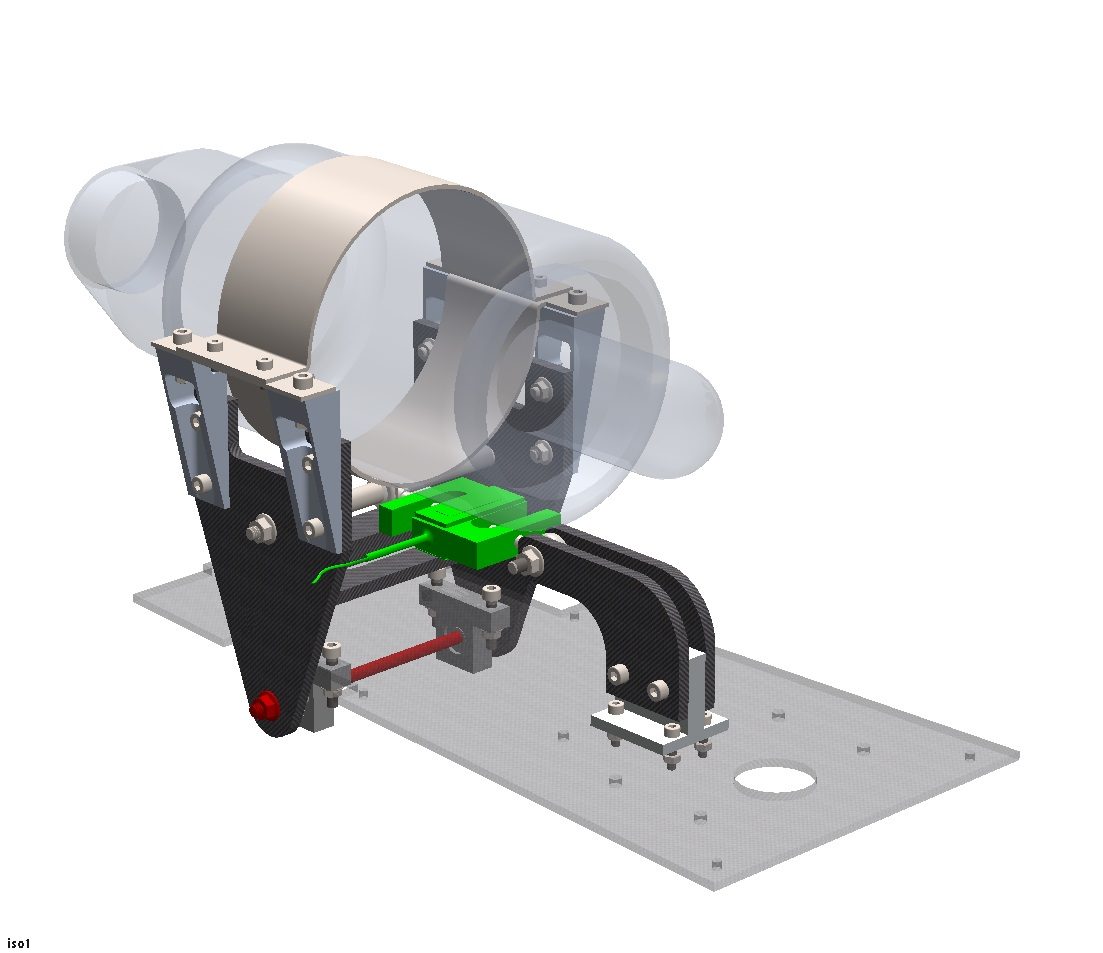
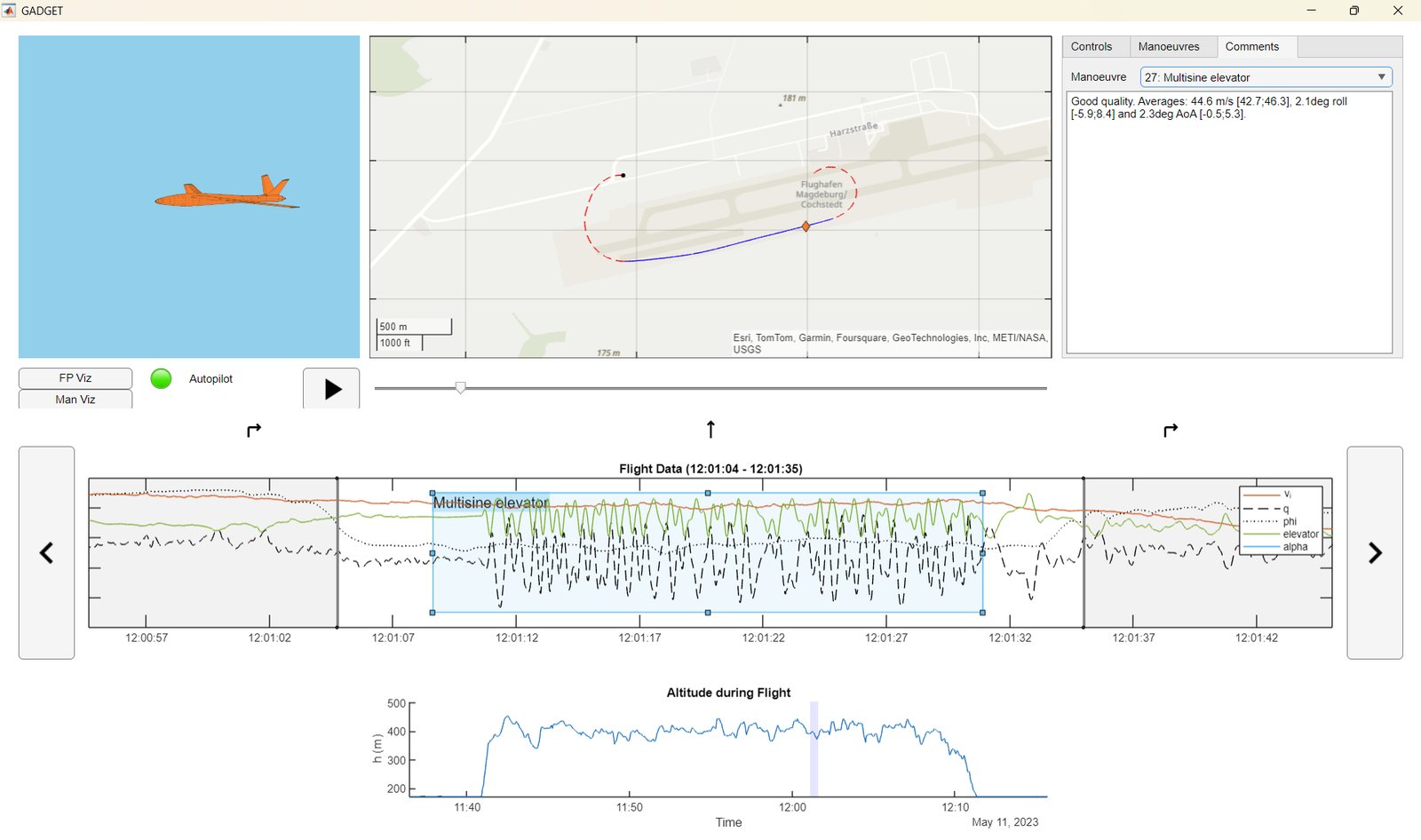
In-flight thrust measurement system for the pylon-mounted jet engine
3.1 Pylon thrust measurement system.
Custom flight-test data analysis GUI
3.2 Flight-test data analysis GUI.
Wind-tunnel validation campaign
3.3 Wind-tunnel validation campaign.
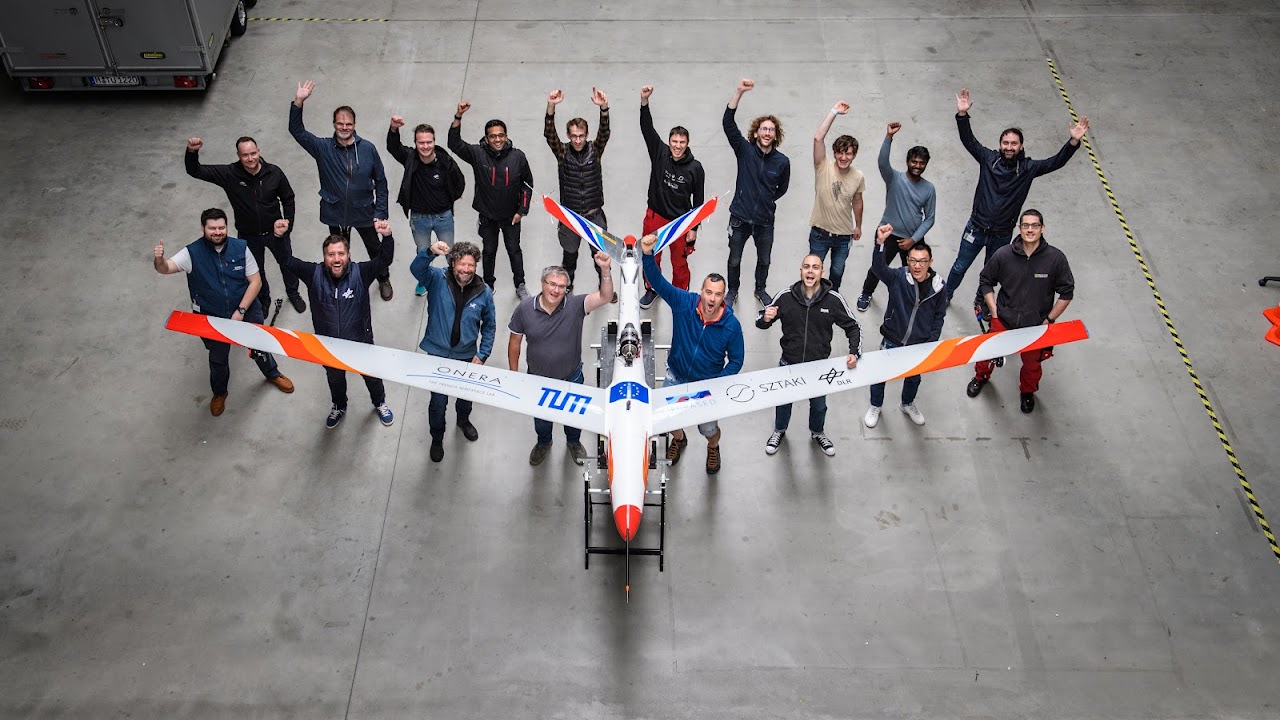
The FLIPASED team around the T-FLEX demonstrator
Plate 4 The FLIPASED team with the T-FLEX demonstrator. Photo: DLR.

FLEXOP & FLIPASED

Programme
EU H2020 research
Partners
TUM · SZTAKI · DLR · ONERA

Two European research projects on aeroelastic tailoring and active flutter suppression, flown on a 65 kg, 7 m-wingspan jet-powered demonstrator. The result: the first successful active flutter suppression on an unmanned subscale aircraft in real-world conditions. I led flight test planning and operations, and contributed data analysis and aerodynamic modelling.

Case study

Approach

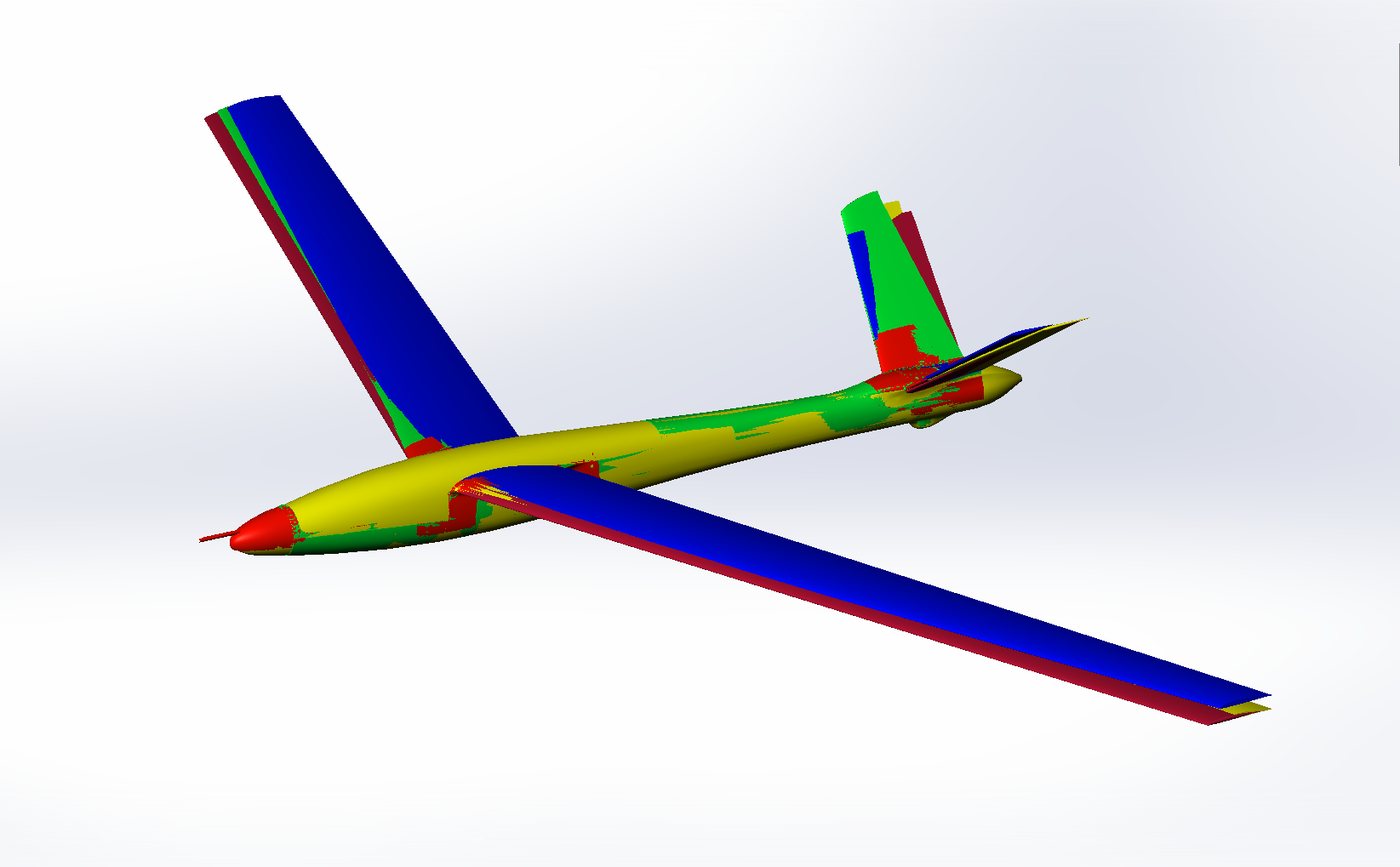
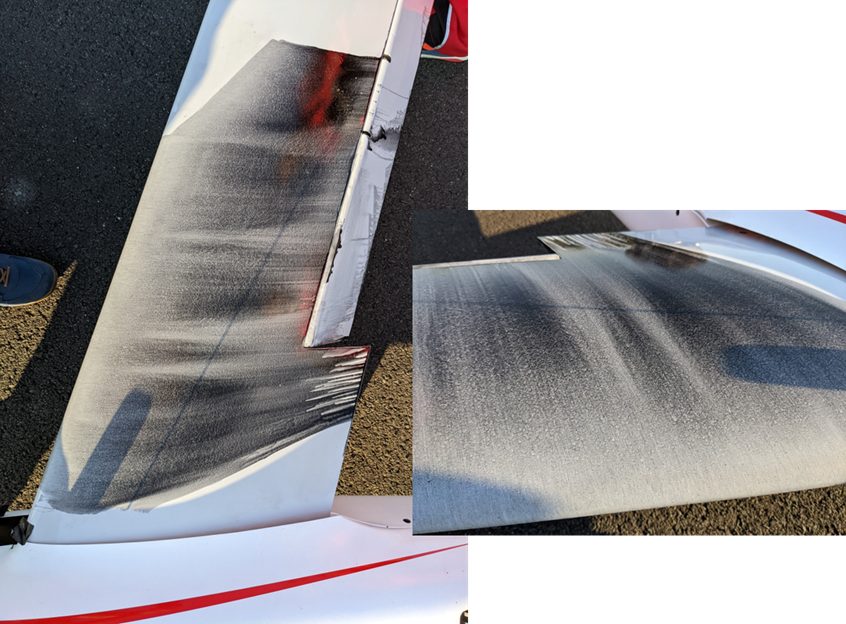
As Flight Test Manager I planned and ran the demonstrator's campaigns: ConOps, flight test cards, team training and SORA approval for the 65 kg UAV, including in-flight oil-flow visualisation of the wing. On the analysis side I contributed aeroservoelastic modelling and post-flight data reduction, comparing potential-flow and higher-fidelity aerodynamic models against the flight measurements.

Results

The first successful active flutter suppression on an unmanned subscale aircraft in real-world conditions, flown on an aeroelastically tailored wing. The video below shows it in flight.

Comparison of aerodynamic modelling approaches against flight data
4.1 Comparison of modelling approaches.
In-flight oil-flow visualisation on the T-FLEX wing
4.2 In-flight oil-flow visualisation.
4.3 Active flutter suppression, in flight.
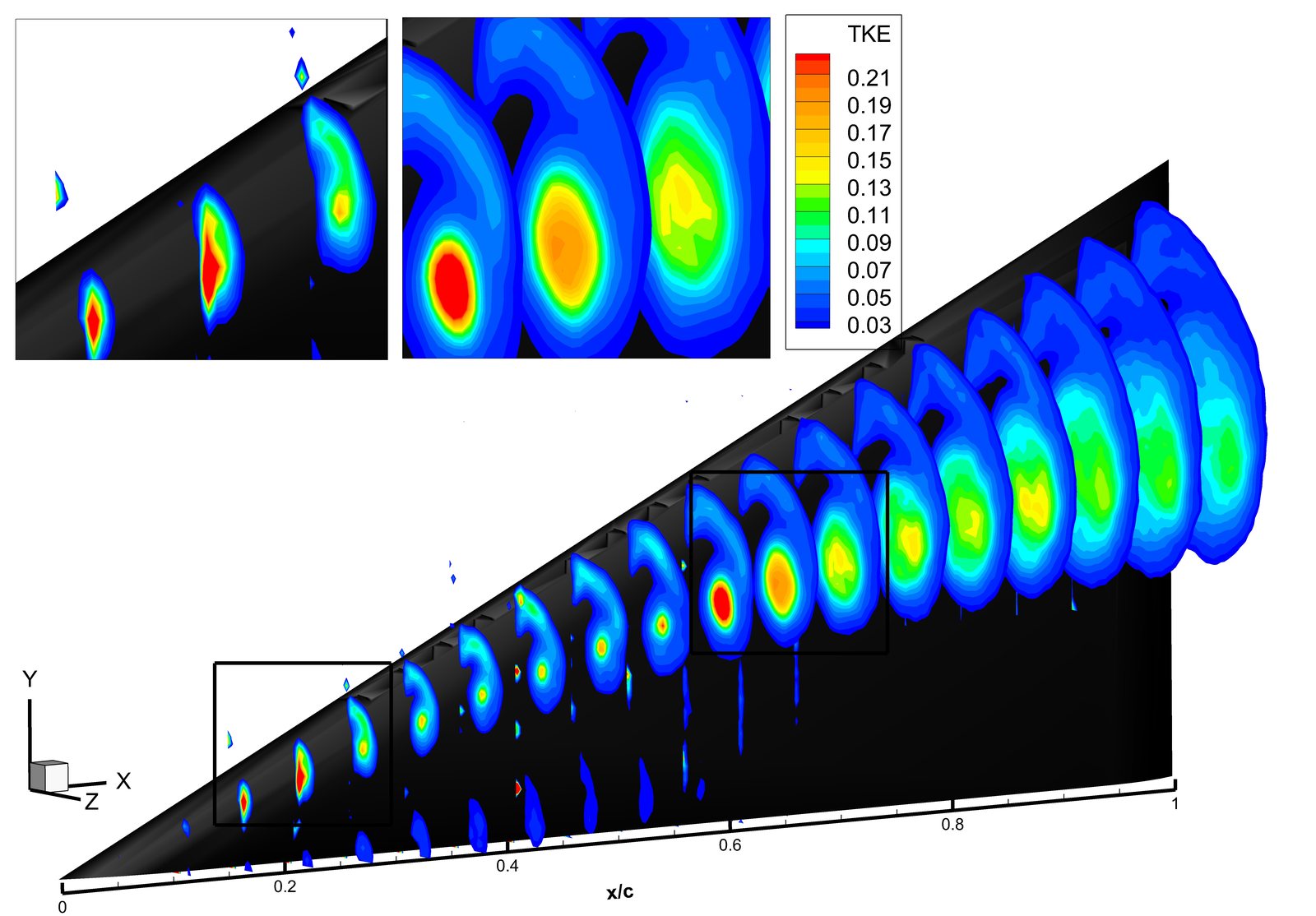
PIV turbulent kinetic energy field over a delta wing
Plate 5 PIV turbulent kinetic energy field over the delta wing.

Delta-wing flow control by unsteady leading-edge blowing

Programme
Master's thesis

Force and PIV measurements on a half-model delta wing with twelve leading-edge blowing slots. Unsteady actuation at post-stall angles of attack produced up to 40% more lift by reorganising the vortex flow.

Case study

Approach

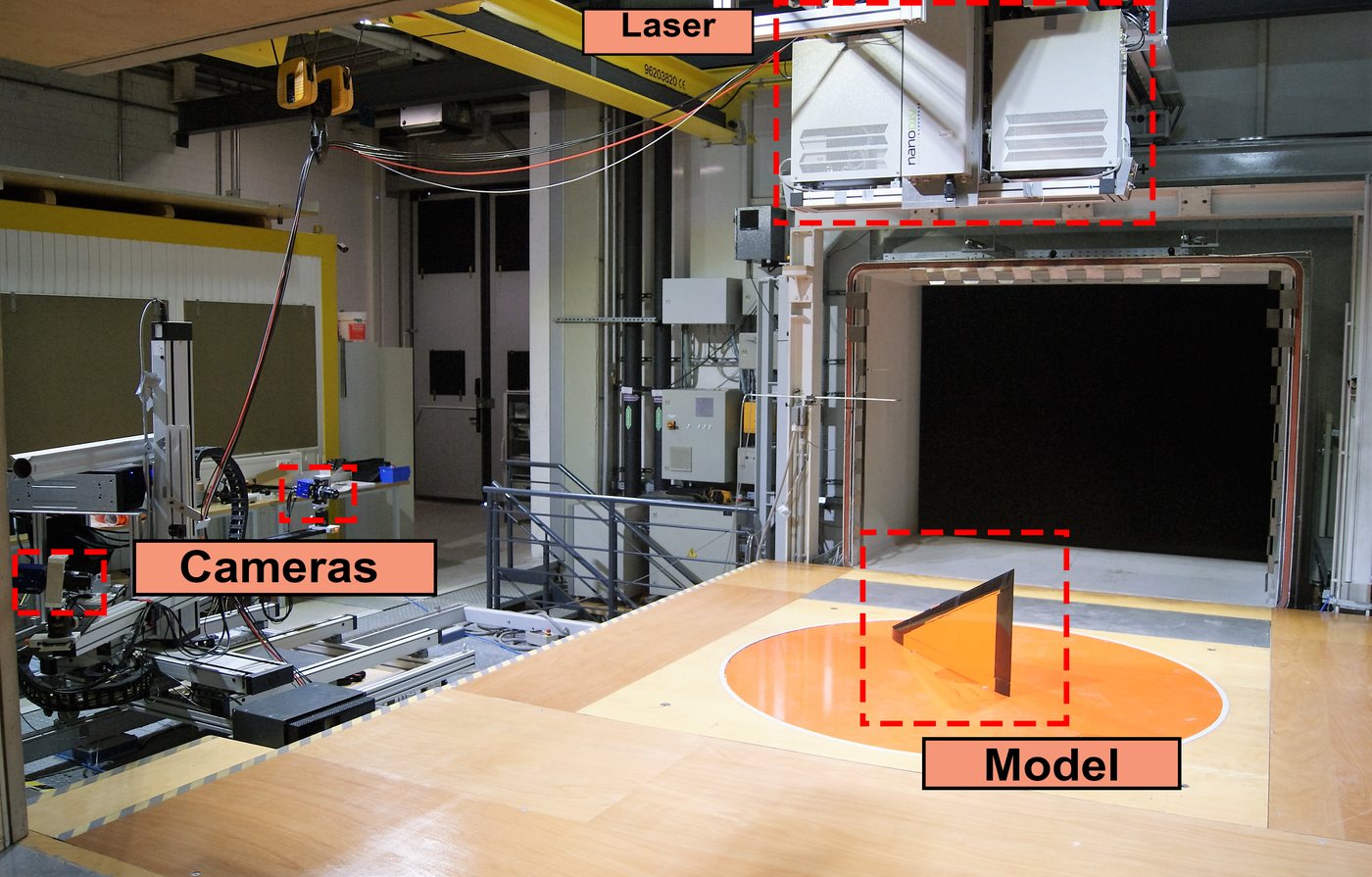
A half-model delta wing in the wind tunnel with twelve leading-edge blowing slots, actuated unsteadily at post-stall incidence. I paired force-balance measurements with time-resolved PIV (a laser sheet and high-speed cameras traversed along the chord) to resolve the vortex flow field and its turbulent kinetic energy.

Results

Up to roughly 40% lift increase from unsteady leading-edge blowing at post-stall angles of attack; the PIV turbulent-kinetic-energy fields revealed the vortex reorganisation driving the gain.

PIV wind-tunnel setup for the delta wing, showing laser, cameras and model
5.1 PIV wind-tunnel setup.
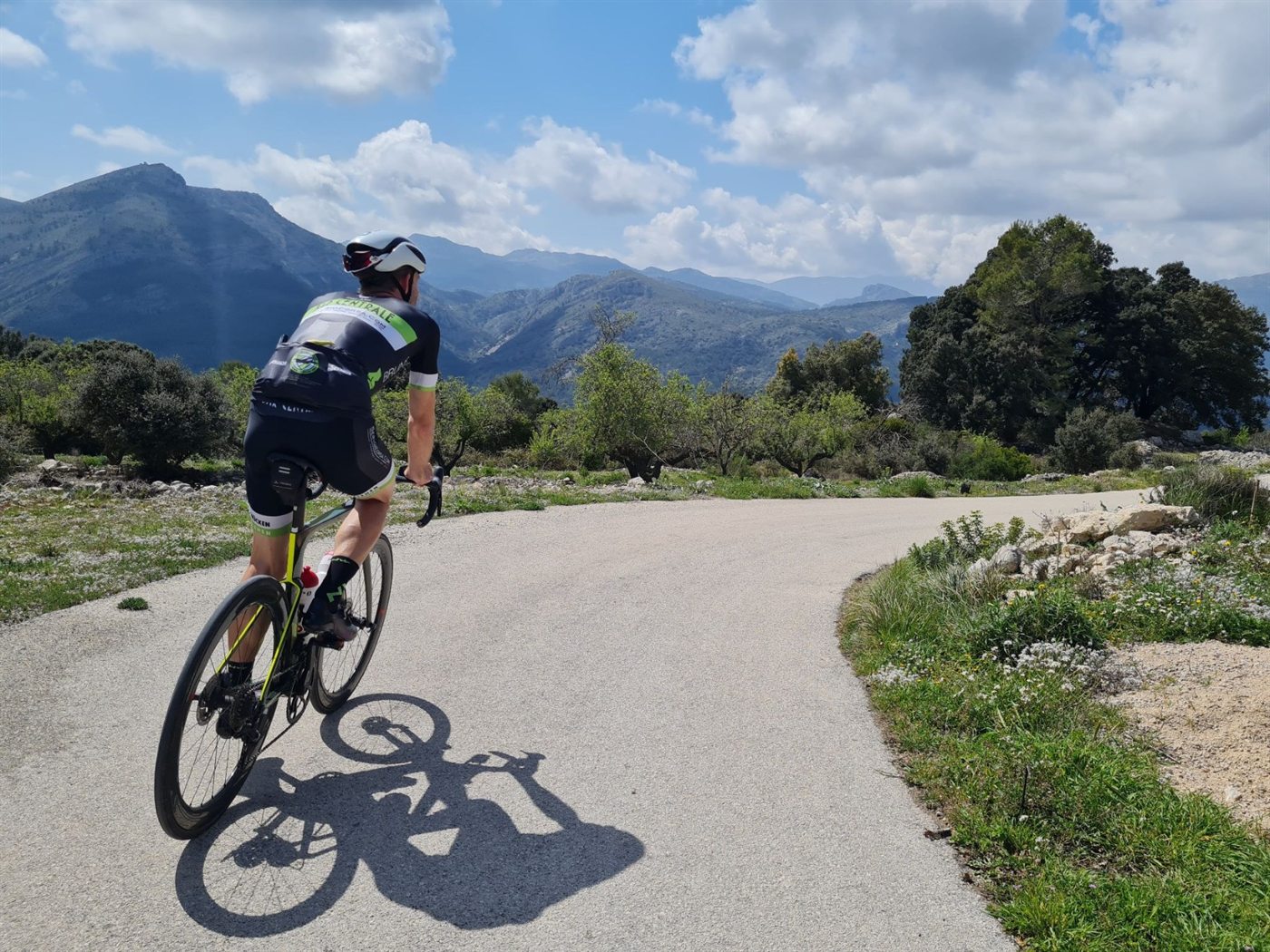
Julius Bartaševičius riding a road bike on a mountain road in Spain
Plate 6 The test subject, on a training camp in Spain. Photo: Edvinas.

Aerodynamic drag evaluation of a cyclist

Programme
Personal project

Does shaving your legs make you faster? A self-experiment across five body and equipment configurations, with a custom algorithm identifying wind speed and drag coefficient from power data. Answer: yes, about 4%, and another 4% from aero socks. Body position gains the most.

Case study

Approach

Repeated field runs across five body and equipment configurations, with wind speed and the drag area (CdA) identified directly from power-meter data using a custom estimation algorithm.

Results

About 4% drag reduction from shaved legs and another ~4% from aero socks, with body position dominating the overall gains.

04

Publications

6 first author · 10 co-authored
Defended05 · 2026

Drag Estimation and In-Flight Measurement for Medium-Sized Fixed-Wing UAVs

Document
Doctoral dissertation
Institution
Technical University of Munich
Record
mediaTUM 1836296

First author

Co-authored publications (10)
05

Skillset

Flight test operations

  • Test planning, ConOps and flight test cards
  • Flight test team leadership and training
  • SORA approval for a 65 kg UAV under EU 2019/947
  • Certification flight test supervision (miniLAK sailplane)

Data analysis & system identification

  • Flight data workflows: filtering, sensor correction, calibration
  • Analysis GUI design for flight test campaigns
  • Output-error, equation-error and stepwise regression methods

Aerodynamic testing & modelling

  • Wind tunnel force and PIV measurements
  • In-flight tuft and oil-flow visualisation
  • Semi-empirical, VLM and CFD modelling; aero databases

Project & team leadership

  • Manufacturing and assembly planning
  • Communication rules, logistics, test campaign coordination
  • 17 supervised student theses

Licences & certificates

  • Sailplane Student Pilot Licence (LET L-13 Blanik): 17 flight hours, 76 flights
  • German Flight Radiotelephone Operator's Certificate (BZF I)
  • Aviation Medical Certificate, Class 2

Tools

MATLABSTAR-CCM+OpenVSP / VSPAERO TORNADOFlightStreamXFLR5SolidWorks

Languages

Lithuanian — nativeEnglish — fluentGerman — B2
06

Beyond work

Fifteen years in the Lithuanian Scout movement taught me to stay calm and focused when things get uncomfortable, from leading rover scout programmes to running a week-long summer camp for 150 people as commandant.

  • Cycling aerodynamics — racing time trials in Lithuania, Germany and Austria, and turning my own body into a wind tunnel experiment.
  • Budapest–Bamako 2022 — amateur rally across the Sahara, raising funds for a school near Freetown, Sierra Leone.
  • Gliding, camping, hiking — happiest outdoors, preferably with wings.
  • Wrenching & music — restoring a 40-year-old car and playing instruments, occasionally at the same workbench.
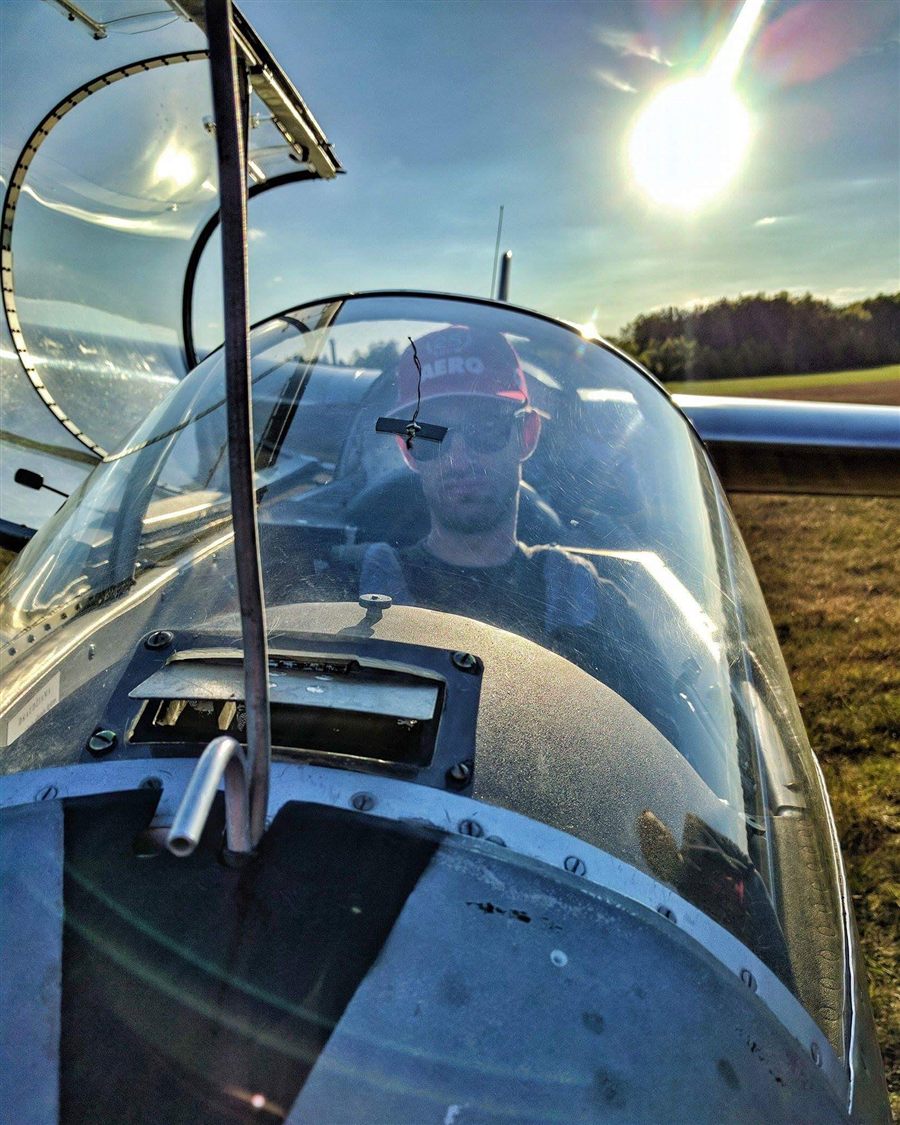
Julius Bartaševičius in a glider cockpit at sunset
Plate 7 Preparing for flight in an L-13 Blanik, Lithuania. Photo: Aivaras.